

Technology
Brine concentration to 280,000 mg/L on membranes
Three proprietary reverse-osmosis processes, each designed for its own salinity range, take a stream from dilute feed to crystallizer-ready brine. The thermal stage that remains is sized for a fraction of the flow.
mg/L TDS
| Lane | Range | From (mg/L TDS) | To (mg/L TDS) | Note |
|---|---|---|---|---|
| SEBRO | SEBRO | 0 | 25,000 | Dilute brines |
| SAMRO | SAMRO | 20,000 | 90,000 | Mid-range, adaptive |
| MBC | MemBrine Concentrator | 90,000 | 280,000 | 5–12 kWh/m³ |
| Crystallizer | Crystallization | 280,000 | 300,000 | The residue only |
Solutions
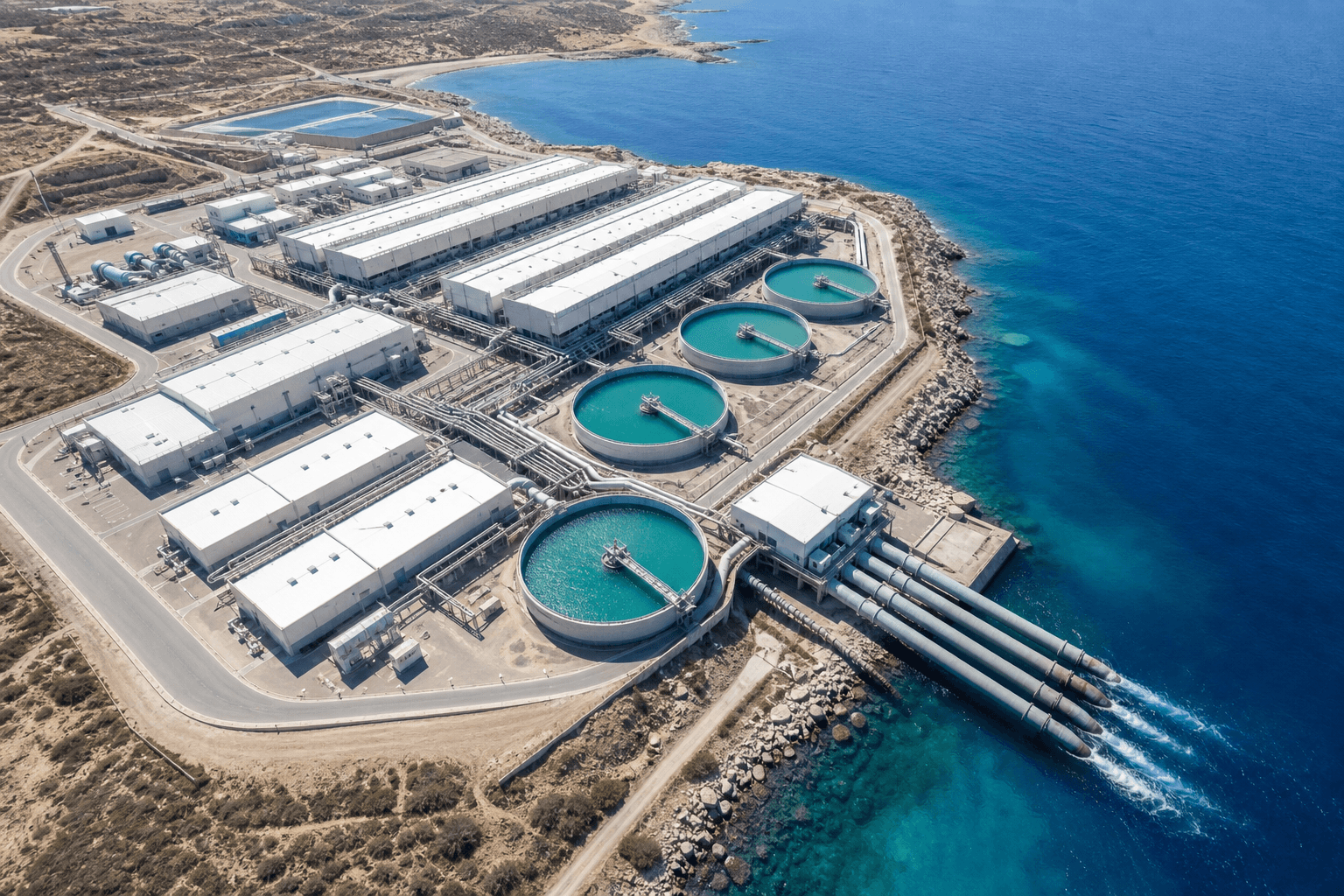
Membrane concentration for zero liquid discharge, mineral recovery, lithium, and produced water.
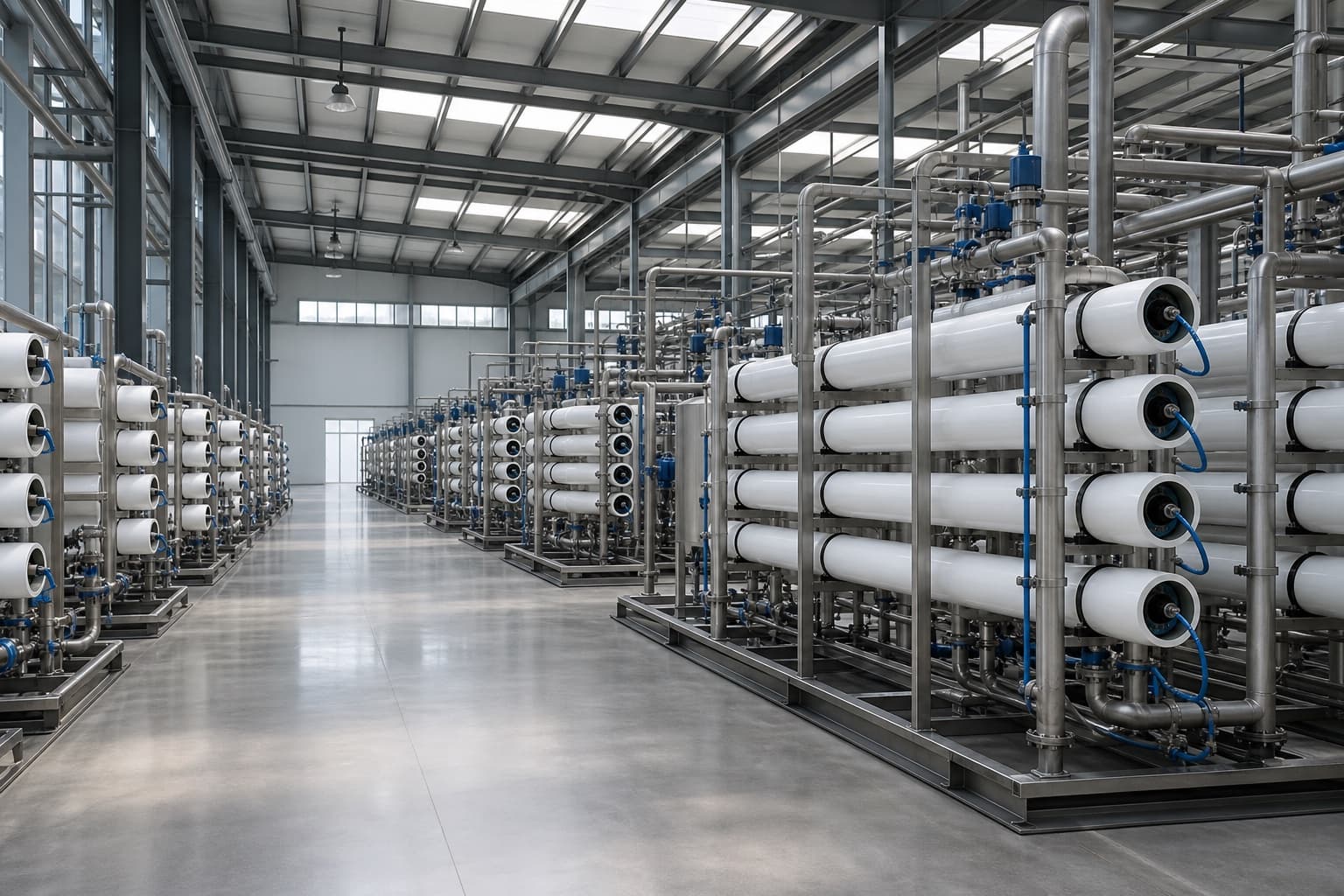
Minimum and zero liquid discharge
Membrane concentration ahead of crystallization, so the thermal plant is sized for the residue only.
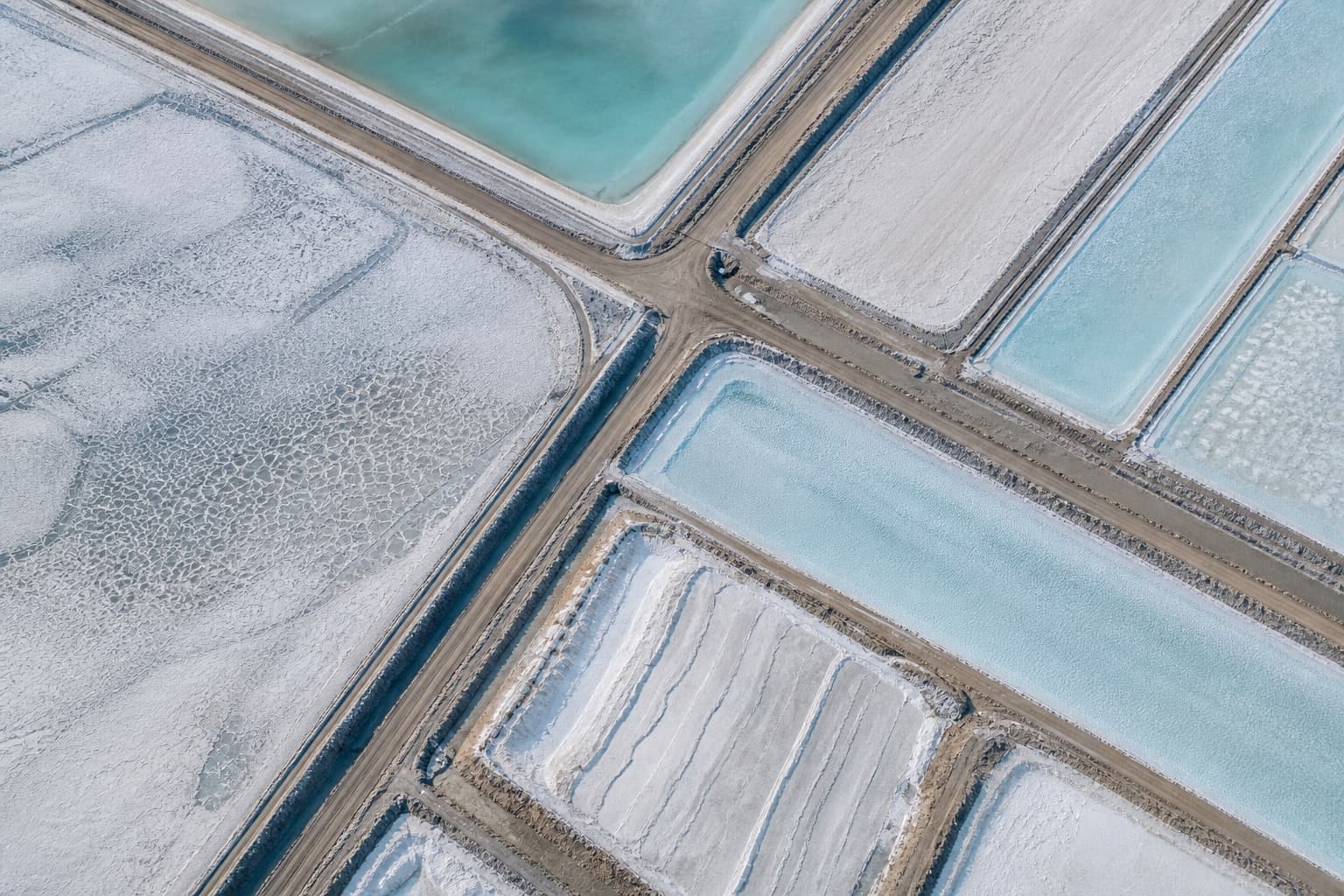
Brine mining and resource recovery
Concentration of desalination and industrial brines for the recovery of magnesium, potassium, bromine, and salts.
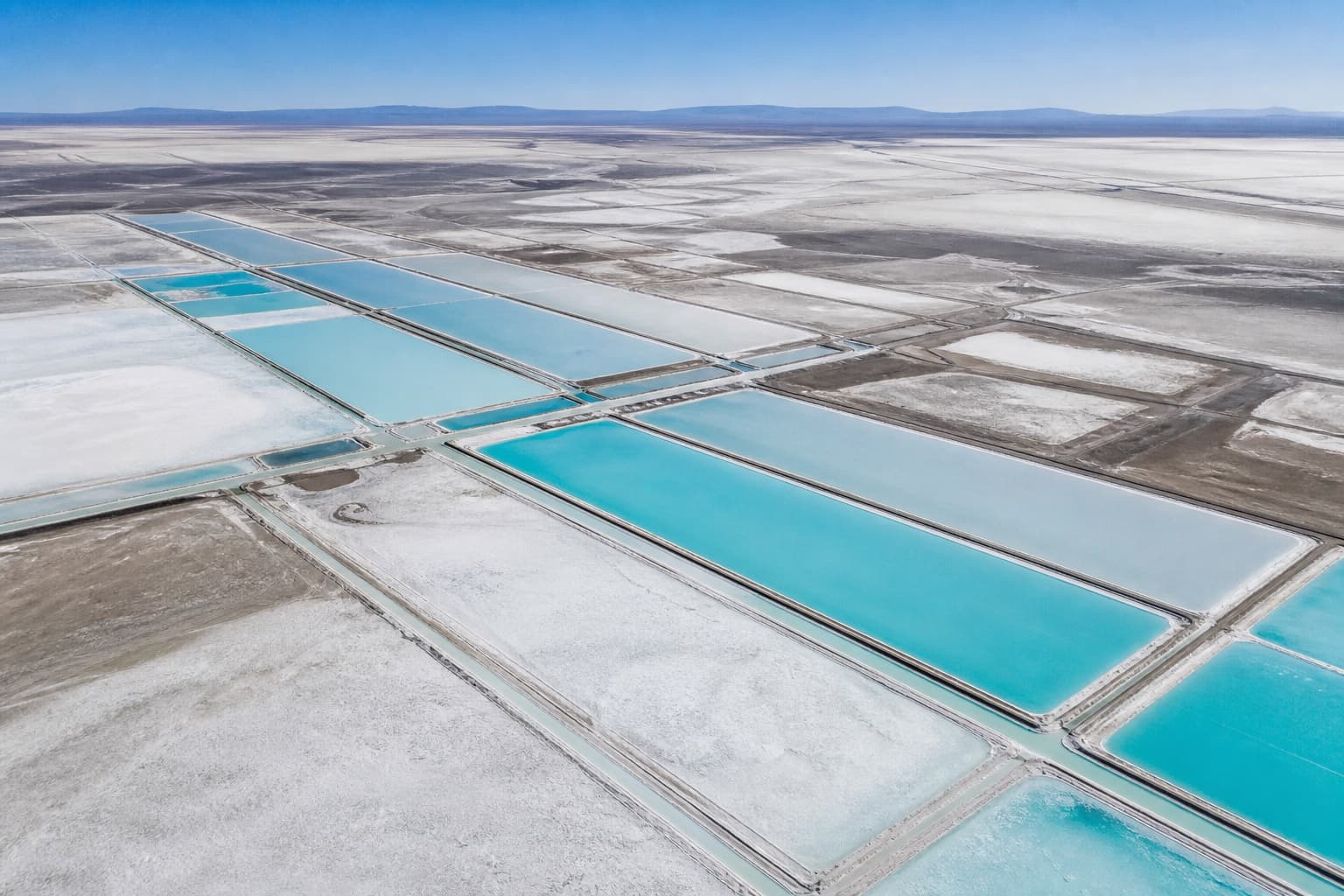
Lithium
Concentration of lithium brines and DLE eluate to crystallization strength, in months rather than years.
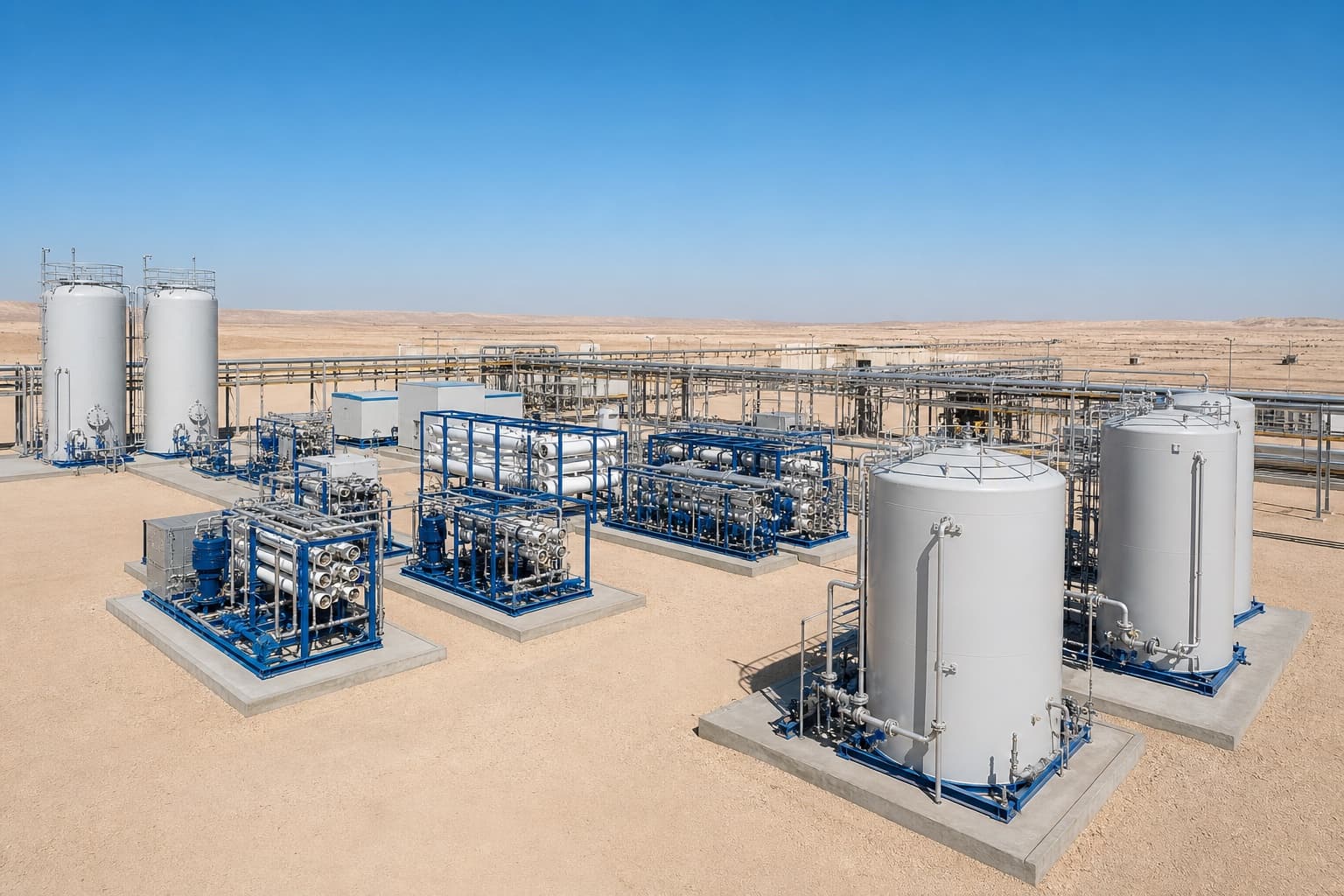
Produced water
Volume reduction and water recovery for oilfield produced water, lowering transport and disposal cost.
60–75% lower energy and capital than the thermal train it replaces
- Concentration ceiling
- 280,000mg/L
- Against about 90,000 for conventional RO
- Brine concentration energy
- 5–12kWh/m³
- Against 25–60 for thermal evaporation
- Water recovery
- 99%+
- Across the full membrane ZLD train
- Smaller footprint
- 70%
- Than a conventional thermal system
Featured project
King Salman Park: zero liquid discharge at municipal scale
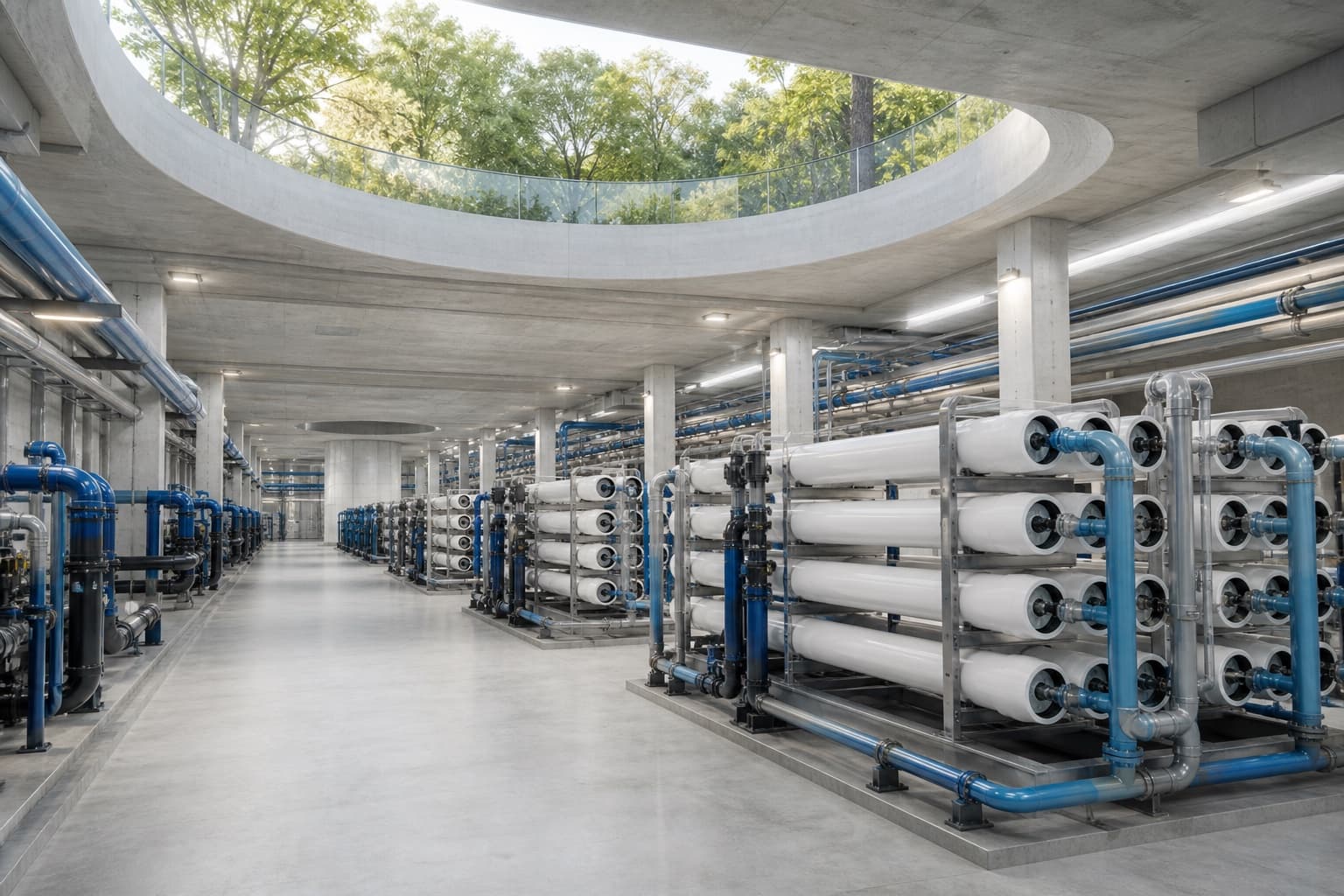
Municipal · King Salman Park, Riyadh, Saudi Arabia
Treating 10,800 m³/day of CCRO® brine at 36,772 mg/L TDS to over 200,000 mg/L, in a footprint 70% smaller than conventional systems, for the world’s largest urban park.
- Brine treated
- 10,800m³/day
- Water recovery
- 82%
- Smaller footprint
- 70%
From feasibility to operation
01
Feasibility
Flow, full chemistry, variability, and the treatment objective, compared with the incumbent disposal or thermal route.02
Pilot
Bench and pilot testing on site water to establish recovery, energy, pretreatment, and achievable concentration.03
Design and supply
Process design, P&IDs, and control philosophy, with supply of the membrane stages or the complete packaged system.04
Commissioning and operation
Performance testing against the design basis, operator training, and long-term operating support.
Discuss a project
Share the flow rate, water analysis, and treatment objective. Our process engineering team will follow up.