
Skip to content

Where membrane concentration changes the economics

Discharge compliance, brine mining, lithium, and produced water. Four different industries arrive with the same expensive step, and the same concentration platform sits underneath all four.

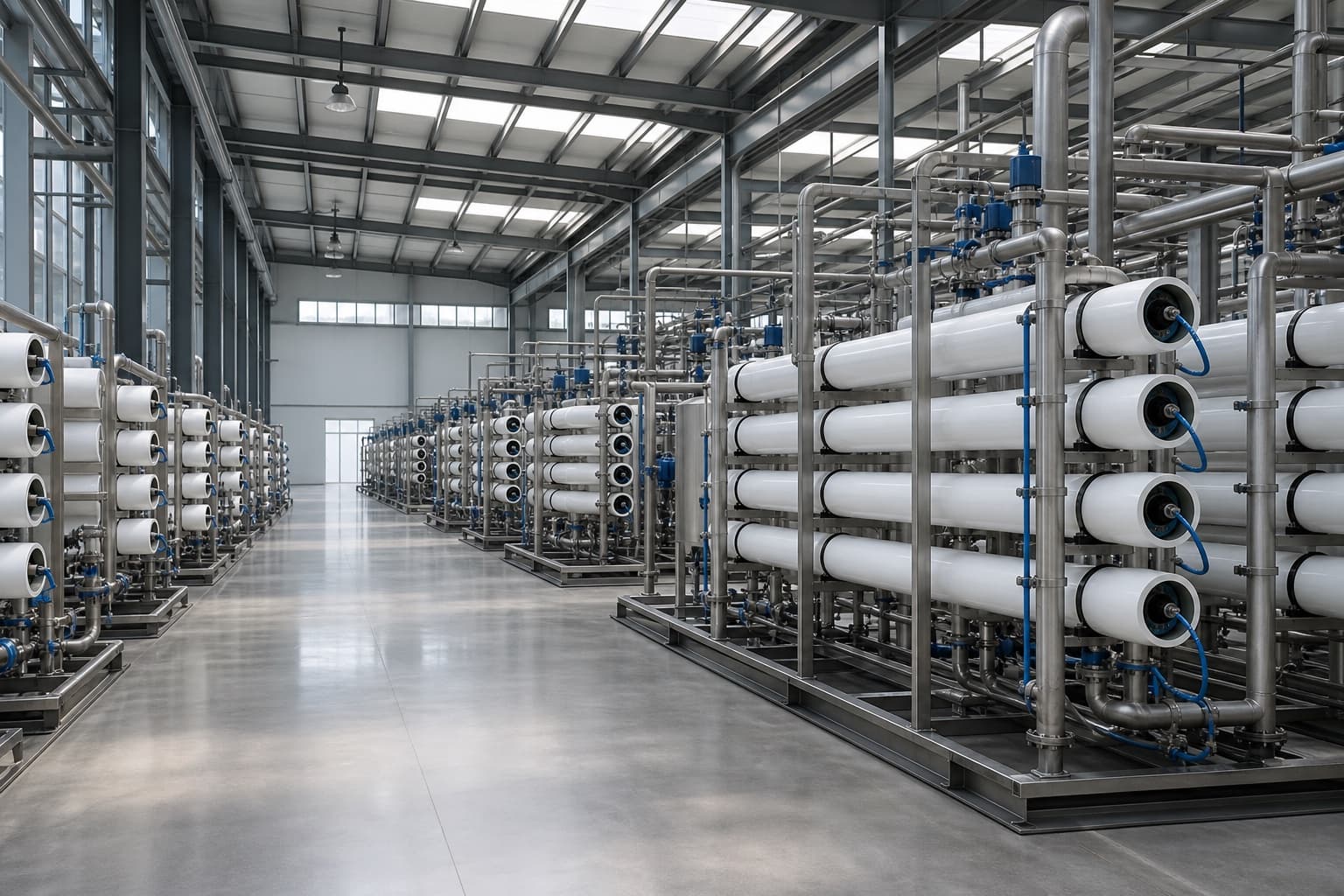
A pipe-rack corridor at an industrial water treatment plant, receding in one-point perspective
  • Minimum & zero liquid discharge

    • Membranes to 280,000 mg/L, so the crystallizer sizes against what is left
    • 60–75% lower energy and capital than a thermal train
    Inside the membrane ZLD train
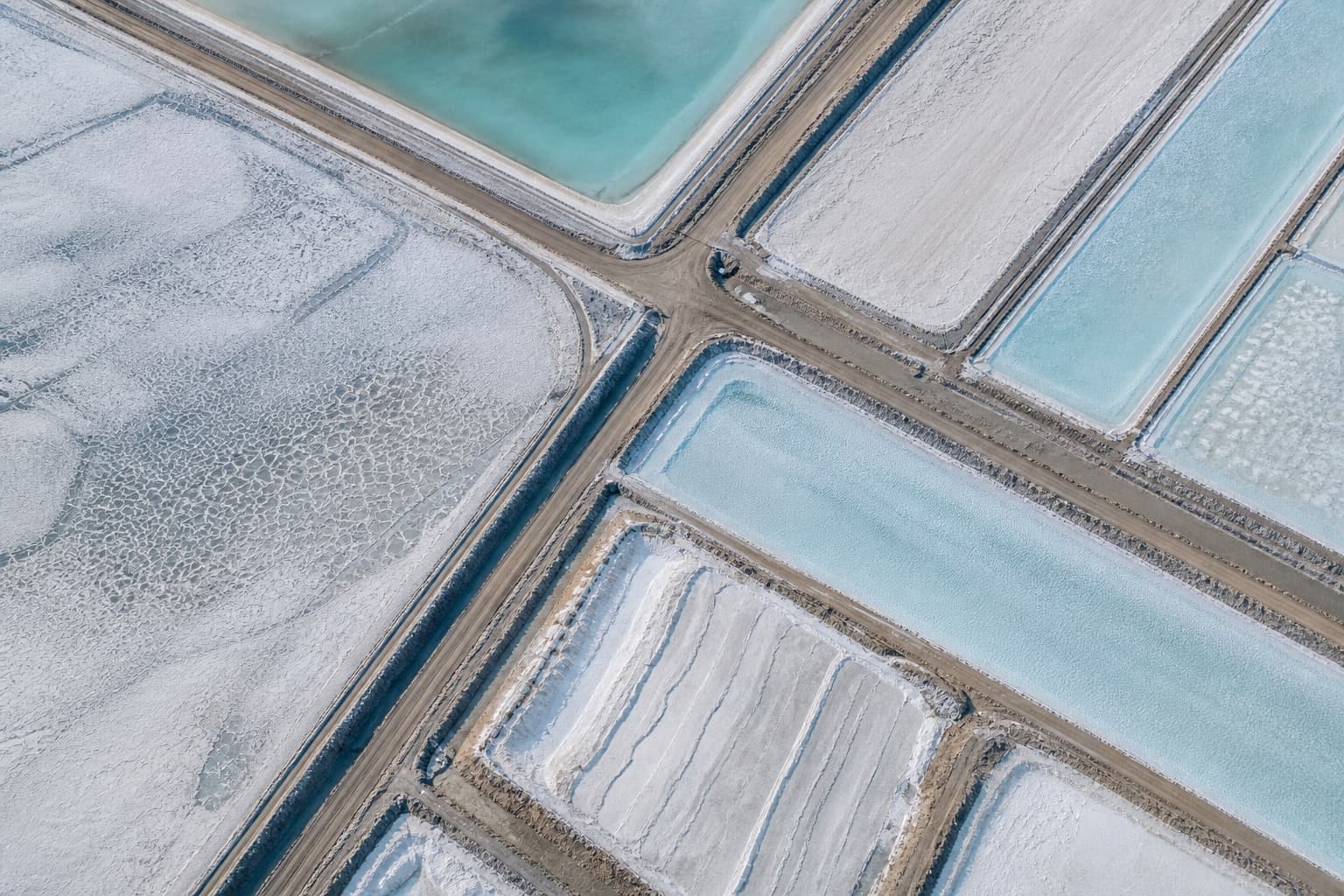
  • Brine mining & resource recovery

    • Magnesium, potassium, bromine, lithium and salts concentrated to economic strength
    • 99%+ overall water recovery alongside the product stream
    What the reject stream returns
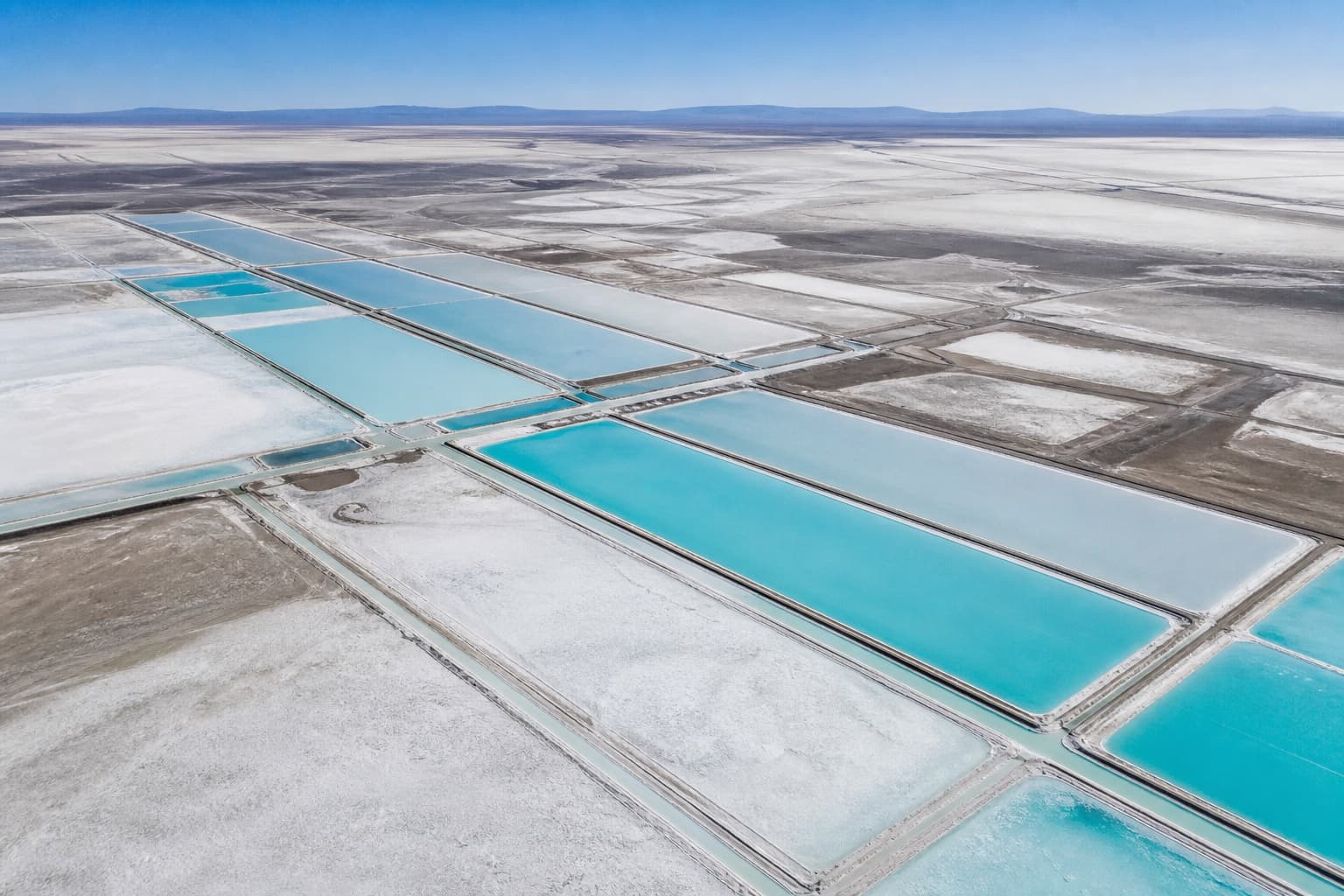
  • Lithium & critical minerals

    • 3–6 months versus 18–24 months solar evaporation
    • 200 g/L lithium salt to crystallization, compatible with any DLE process
    How the lithium route works
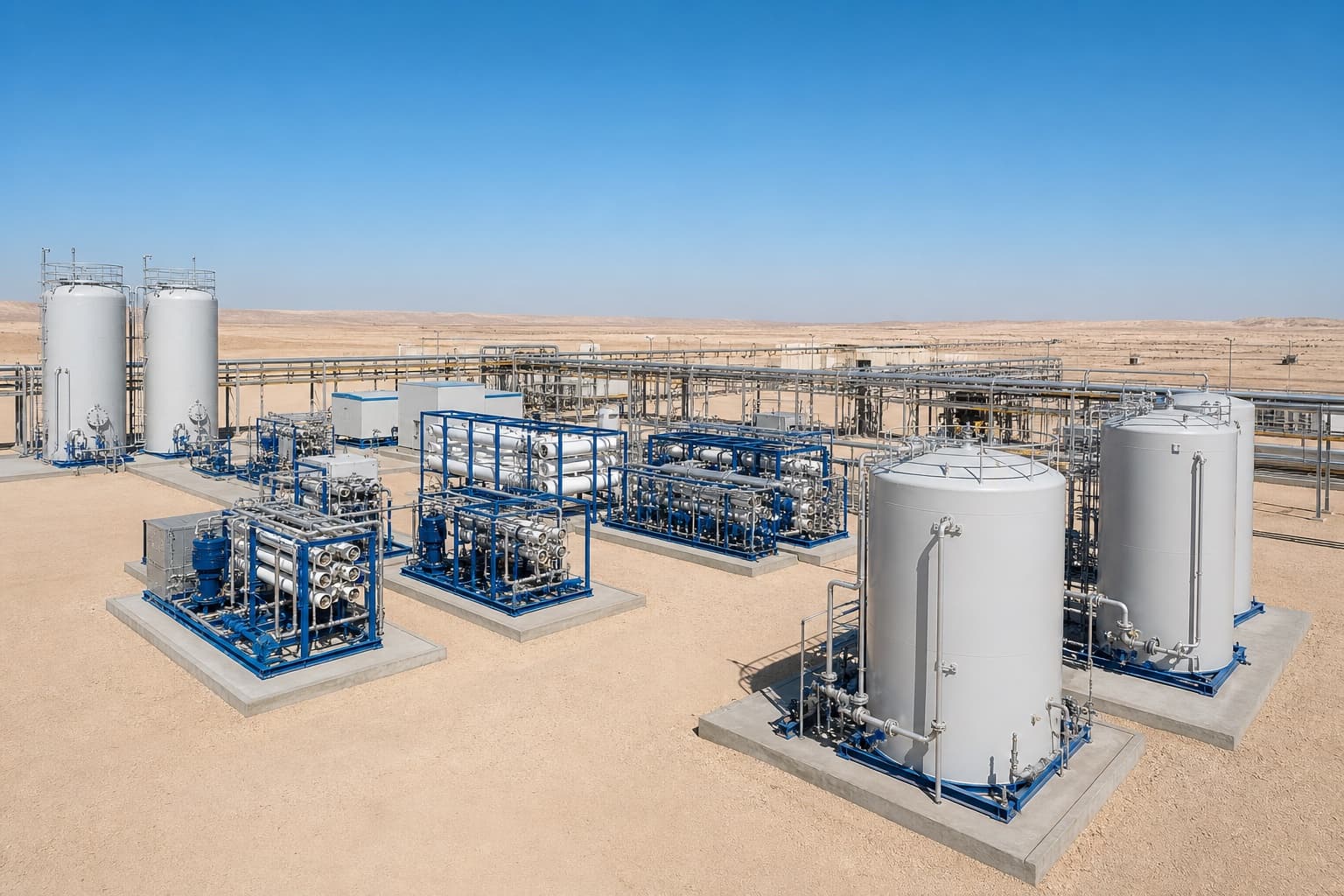
  • Produced water

    • 3–7 barrels of water arrive with every barrel of oil
    • Disposal is priced by volume, so every barrel removed is a barrel unpaid
    Inside the produced-water case

Concentrating past 90,000 mg/L has always meant boiling water, and the capital cost of an evaporator is what makes most of these projects marginal.

Doing the same work on membranes moves the capital cost, the energy bill and the compliance position at once—which is why four unrelated-looking problems have the same answer.

The advantage of one platform

The practical consequences of technologies designed against each other from the start.

One concentration curve
SAMRO™ hands MBC™ a feed it was designed to receive, so there is no interface stage built only to reconcile two vendors' assumptions.
Shared utilities
One pretreatment train, one chemical inventory, one power and instrument-air supply across the stages.
One accountable designer
Osmosys designs the integrated train and stays responsible for its performance basis—there is one operating picture and one party answerable for it.
Phased capital
The stages are modular. Primary concentration can be built first and the brine stage added when the discharge limit or the product case requires it.
Headroom on the feed
The same equipment tolerates a wider feed envelope than it is specified against, which is what absorbs a change in the upstream process later.

By industry

A semiconductor fab, a copper mine and a gas field produce very different water. What they share is a stream too concentrated for conventional membranes and too dilute for a crystallizer.

  • Semiconductors

    Ultrapure water production leaves a high-TDS reject under ZLD mandates, in facilities where footprint is fixed.

    SAMRO™ · MBC™

  • Oil & Gas

    Produced water at disposal-well volumes, often carrying lithium and minerals worth more than the disposal costs.

    SAMRO™ · MBC™ · selective extraction

  • Mining

    Tailings water and acid drainage holding recoverable copper, zinc, and nickel alongside the remediation duty.

    SAMRO™ · MBC™

  • Pharmaceuticals

    High-value solvents leaving API manufacturing as regulated hazardous waste, recoverable at reuse specification.

    MBC™

  • Salt & Caustic Soda

    Electrolysis needs high-purity brine at crystallization strength, a duty usually bought with thermal energy.

    SAMRO™ · MBC™

  • Desalination

    Specific energy sets the power bill for the life of the plant, and the brine still has to go somewhere.

    SEBRO™ · SAMRO™ · MBC™

A first read on your stream

Send the flow, the chemistry, and the target. A process engineer replies with a first read on recovery, energy, and the train worth piloting.